
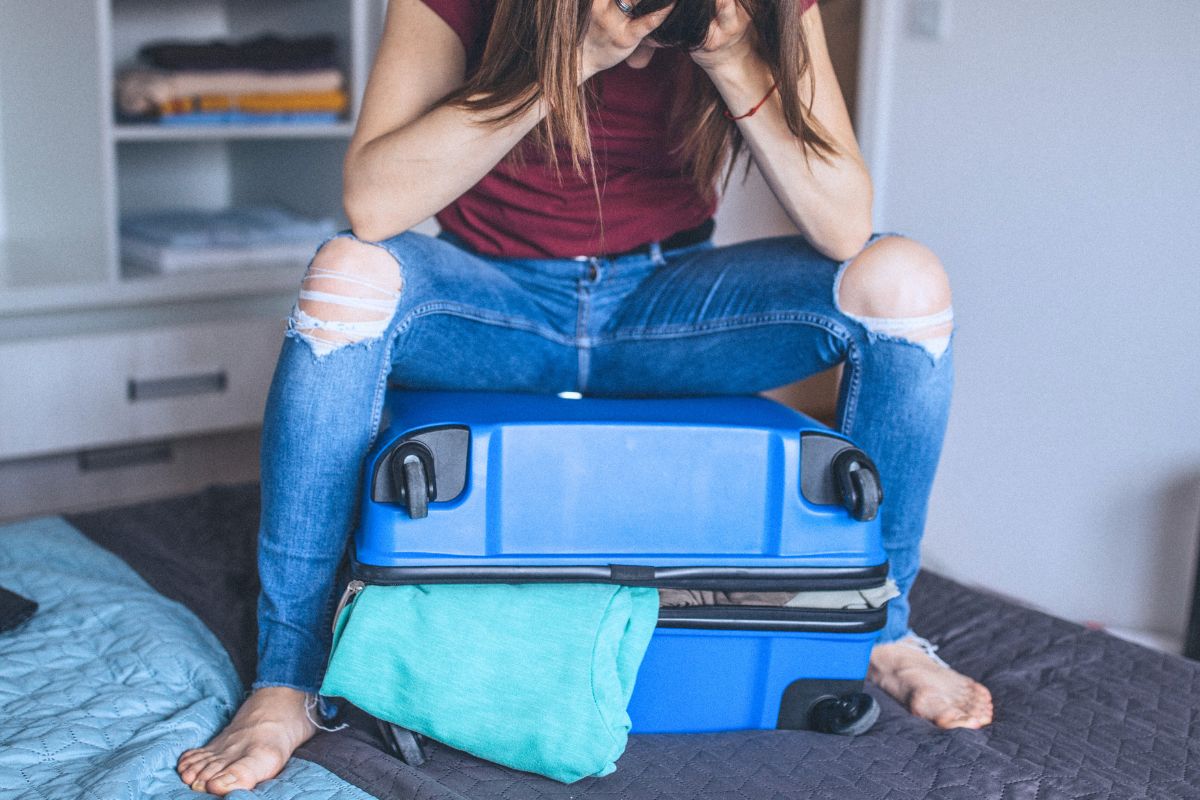
Traveling with Crohn’s disease or ulcerative colitis can feel overwhelming, especially when you’re planning months in advance and have no idea whether your body will cooperate. When you live with IBD, booking a vacation in February for June doesn’t guarantee you’ll actually feel well enough to go.
You might be in a flare.
You might be hospitalized.
You might just feel exhausted and unwell.
And that uncertainty can ruin your trip before you even pack a bag.
But here’s the truth: you deserve to travel. You deserve experiences. And you deserve to live fully, even with IBD.
Here’s how to plan travel with chronic illness in a way that protects your health and your peace of mind.
Why Traveling With IBD Feels So Scary
Living with conditions like Crohn’s disease or ulcerative colitis means your health can change quickly.
Unlike other travelers, you may worry about:
- Sudden flares
- Emergency bathroom needs
- Fatigue
- Dehydration
- Hospital visits away from home
- Traveling with an ostomy
- Food triggers
- Medication access
The hardest part? The unpredictability.
That “what if I get sick?” thought loop can stop people from booking trips entirely.
1. Book Travel With Flexibility Built In
If you’re traveling with Crohn’s disease or ulcerative colitis, flexibility is everything.
Choose:
- Refundable airfare when possible
- Hotels with free cancellation
- Travel insurance that covers pre-existing conditions
- Accommodations with kitchen access
The goal isn’t to assume you’ll be sick, it’s to reduce the fear of being stuck financially if you are.
Pro tip: When possible, avoid non-refundable vacation packages. Your health comes first.
2. Plan for a Flare, But Don’t Expect One
Planning travel with chronic illness means preparing without spiraling.
Pack a “flare kit”:
- Extra medications (in carry-on)
- Doctor’s contact info
- Insurance cards
- Electrolyte packets
- Safe snacks
- Ostomy supplies (double what you think you’ll need)
If you have an ostomy, always split supplies between bags in case luggage gets lost.
Preparation reduces anxiety and anxiety reduction can actually lower the likelihood of stress-triggered symptoms.
3. Research Bathrooms Before You Go
One of the biggest fears when traveling with IBD is bathroom access.
Before your trip:
- Check restroom locations in airports
- Download restroom locator apps
- Research attractions ahead of time
- Book aisle seats when flying
If traveling internationally, learn the local word for “bathroom.”
Confidence in bathroom access reduces travel anxiety significantly.
4. Build Rest Into Your Itinerary
You do not have to “vacation like everyone else.”
When traveling with ulcerative colitis or Crohn’s:
- Schedule downtime daily
- Avoid overbooking excursions
- Choose one major activity per day
- Plan recovery time after travel days
Chronic illness travel isn’t about doing everything. It’s about doing what matters most.
5. Have a “Plan B” Mindset
This one is emotional, not logistical.
Sometimes you might need to:
- Skip a planned event
- Leave early
- Rest in the hotel
- Order room service instead of dining out
And that’s okay.
You are not failing at vacation. You are adapting.
The goal isn’t a perfectly planned trip. It’s making the most of meaningful moments, no matter what they end up looking like for you.
6. Talk to Your GI Before Major Travel
If you have active IBD, talk to your gastroenterologist before international trips.
Discuss:
- Emergency medication options
- What to do during a flare
- Whether steroids should be prescribed just in case
- Travel vaccines if applicable
Feeling medically prepared can dramatically reduce anxiety.
7. Acknowledge the Mental Load of Travel Anxiety
Traveling with chronic illness isn’t just physical, it’s emotional.
You may feel:
- Guilt about “ruining” plans
- Fear of being hospitalized
- Anxiety about disappointing others
- Frustration that your body feels unreliable
Those feelings are valid.
But here’s something important:
Your illness may limit you sometimes. It does not eliminate your right to enjoy your life and travel.
What If You Do Get Sick on Vacation?
Let’s say the worst-case scenario happens. You flare.
Here’s what to remember:
- Flares pass.
- You’ve survived flares before.
- Most destinations have hospitals.
- Your resilience is stronger than you think.
Even if the trip doesn’t look how you imagined, it doesn’t mean it was a mistake to go.
Traveling With an Ostomy: Extra Reassurance
If you have an ostomy due to Crohn’s or ulcerative colitis:
- Always carry supplies in your personal item
- Bring disposal bags
- Pack clothing you feel confident in
- Know TSA regulations for medical supplies
Traveling with an ostomy is absolutely possible, many people travel internationally, cruise, hike, and fly regularly.
Your appliance should not keep you from the world.
The Biggest Mindset Shift for Traveling With IBD
Instead of asking:
“What if I get sick?”
Try asking:
“What if I feel good?”
So many people with IBD cancel trips out of fear, only to realize they felt stable during that time.
If you always wait for certainty, you may miss out on years of experiences.
You Deserve to Live Now, Not “After Remission”
There is a temptation to postpone life until:
- After the next infusion
- After remission
- After surgery
- After the flare ends
But IBD doesn’t always offer clear timelines.
You deserve joy in the middle of uncertainty.
Travel might look different now. It may need to be slower, more intentional, more flexible, but it can still be beautiful.
Planning Travel With Crohn’s or Ulcerative Colitis
Traveling with Crohn’s disease or ulcerative colitis requires preparation, flexibility, and self-compassion.
But it is possible.
You are not as fragile as you may think, at times.
You are adaptable, dealing with IBD has proven it.
And you are allowed to see the world, even if you pack extra supplies to do it.
Frequently Asked Questions About Traveling With Crohn’s Disease or Ulcerative Colitis
Yes, you can travel with Crohn’s disease. Many people with Crohn’s travel successfully by planning ahead, packing extra medication, researching restroom access, and building flexibility into their itinerary. While flares are unpredictable, preparation significantly reduces stress and improves confidence.
Most people with ulcerative colitis can travel safely if their condition is stable. It’s recommended to speak with your gastroenterologist before long or international trips, carry medications in your carry-on bag, and purchase travel insurance that covers pre-existing conditions.
When planning travel with IBD, pack:
Extra medications (in original bottles)
A doctor’s note if needed
Insurance information
Electrolytes for hydration
Safe snacks
Wet wipes
A change of clothes
If applicable, double ostomy supplies
Always pack more than you think you’ll need in case of delays or flares.
If you experience a Crohn’s flare on vacation:
Prioritize rest.
Stay hydrated.
Follow your flare protocol from your doctor.
Locate the nearest medical facility if symptoms worsen.
Many destinations have hospitals and urgent care centers. A flare may change your plans, but it does not mean the trip was a mistake.
Bathroom anxiety is common when traveling with IBD. To reduce stress:
Research restroom locations in advance
Book aisle seats on flights
Stay in centrally located accommodations
Download restroom locator apps
Allow extra time when leaving for activities
Preparation helps reduce the fear of urgency.
Yes, traveling with an ostomy is absolutely possible. Bring double supplies, divide them between bags, carry disposal bags, and keep everything in your personal item when flying. Many people with ostomies travel domestically and internationally without issue.
Yes, travel insurance that covers pre-existing conditions can provide financial protection if you need to cancel due to a flare, hospitalization, or medical emergency. Always read the policy details carefully.
Sign up for the free newsletter, follow along on social media Pinterest|Instagram|Facebook|Twitter|YouTube|TikTok and use #OstomyOnTheGo.