
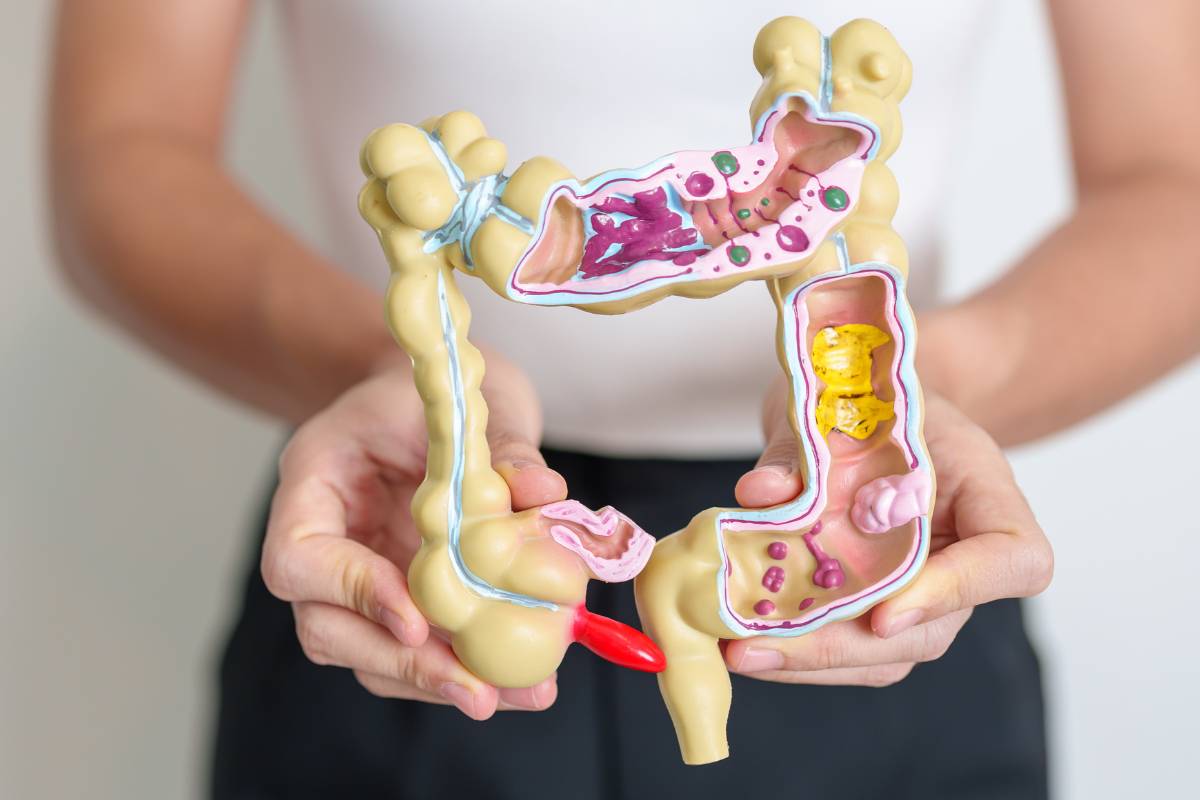
So, you want to know how to diagnose Ulcerative Colitis? Maybe you’re spending more time in the bathroom than usual, or your stomach sounds like a haunted house. Whatever brought you here, you’re in the right place!
Now, I’m not a doctor (just a professional overthinker with firsthand experience), but I’ve been through the wringer when it comes to ulcerative colitis. So, let’s cut through the medical jargon and get to the real talk.
In this guide, we’ll cover:
✅ Early warning signs of ulcerative colitis (a.k.a. “Is this normal or should I panic?”)
✅ Tests used to diagnose UC (because guessing isn’t a great medical strategy)
✅ How UC differs from Crohn’s and other gut disasters
✅ What actually happens during a colonoscopy (besides questioning your life choices)
What is Ulcerative Colitis?
Ulcerative colitis (UC) is a chronic inflammatory bowel disease (IBD) that affects the colon and rectum. Diagnosing UC requires a combination of symptom evaluation, lab tests, imaging, and endoscopic procedures. If you’re experiencing persistent digestive issues, getting an early and accurate diagnosis is crucial for effective treatment.
Symptoms That May Indicate Ulcerative Colitis
Doctors begin the diagnostic process by evaluating key symptoms, including:
- Persistent diarrhea (often bloody)
- Abdominal pain and cramping
- Urgency to use the bathroom
- Unintended weight loss
- Fatigue and weakness
- Fever (in severe cases)
If you’ve been dealing with these symptoms for more than four weeks, it’s time to call in the professionals—Google doesn’t count. And just a heads-up: you don’t need to check every symptom off the list to get a UC diagnosis. Some of us never experience the most common ones—looking at you, unintentional weight loss.
How Do Doctors Diagnose Ulcerative Colitis?
1. Medical History & Physical Exam
Your doctor will ask about:
🔹 Family history of IBD
🔹 Recent infections
🔹 Medication use (NSAIDs, antibiotics)
🔹 Food intolerances
A physical exam may include checking for abdominal tenderness and signs of anemia or malnutrition.
2. Blood Tests
💉 Blood work helps identify inflammation and anemia, which are common in UC patients. Key tests include:
- C-Reactive Protein (CRP) & Erythrocyte Sedimentation Rate (ESR): High levels suggest inflammation.
- Complete Blood Count (CBC): Checks for anemia due to blood loss.
- Liver and Kidney Function Tests: To rule out other issues.
3. Stool Tests
Doctors may order a stool test to check for:
- Infections (bacteria, parasites) that mimic UC symptoms
- Calprotectin & Lactoferrin: High levels indicate gut inflammation
- Blood in stool: A sign of UC or other digestive disorders
4. Colonoscopy with Biopsy (Gold Standard Test)
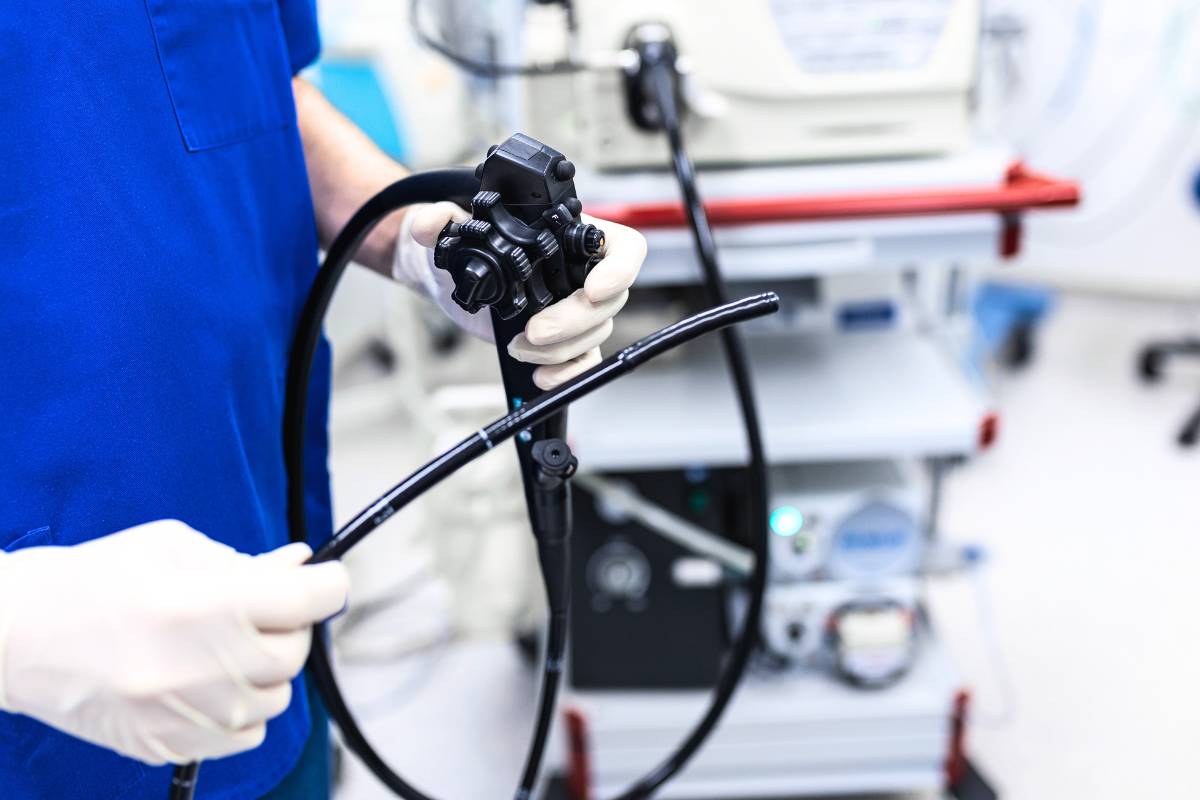
A colonoscopy is the most accurate way to diagnose UC. This procedure involves inserting a thin, flexible tube with a camera into the colon to look for inflammation, ulcers, and bleeding.
🔬 Biopsy: During the colonoscopy, small tissue samples are taken for a biopsy, which confirms UC by detecting chronic inflammation and immune cell activity.
What to Expect:
- You’ll need to prep your bowels by drinking a laxative solution the night before.
- The procedure takes 30-45 minutes and is done under sedation.
- Recovery time is minimal, with some bloating or gas after the procedure.
5. Imaging Tests (If Needed)
🔹 CT Scan or MRI: Used to detect complications like fistulas or abscesses
🔹 Barium Enema X-Ray: Less common but may be used in some cases
How to Differentiate UC from Crohn’s Disease & IBS
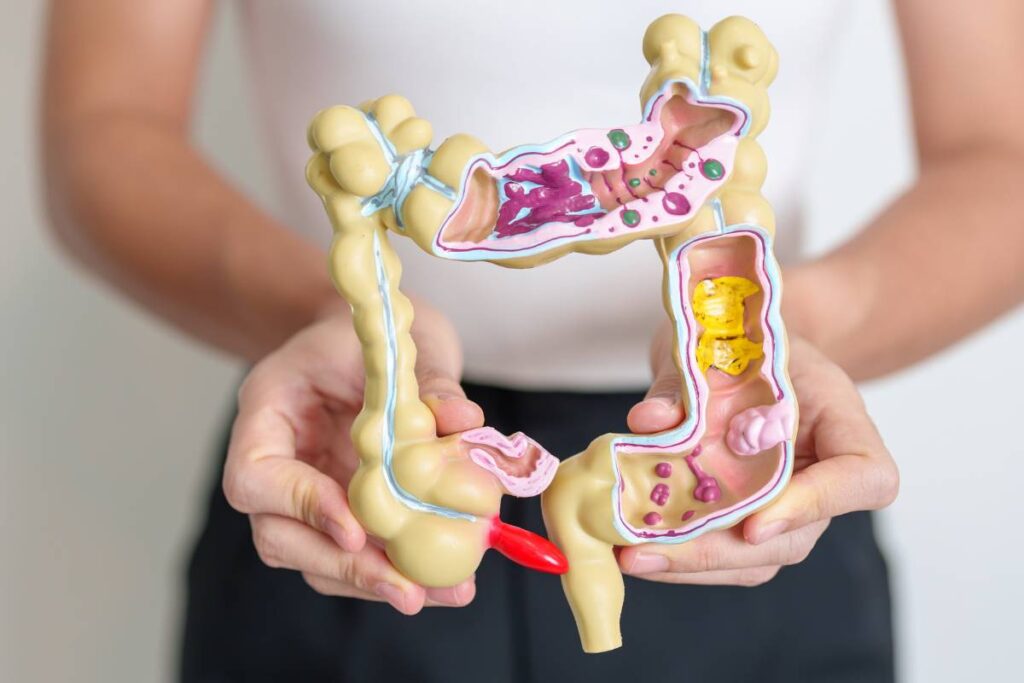
Ulcerative Colitis vs. Crohn’s Disease:
- UC affects the colon and rectum only, while Crohn’s can affect the entire digestive tract.
- UC has continuous inflammation, while Crohn’s has patchy inflammation.
Ulcerative Colitis vs. IBS:
- IBS (Irritable Bowel Syndrome) does not cause inflammation, ulcers, or bleeding.
- Ulcerative Colitis symptoms are often more severe and persistent.
FAQs About Diagnosing Ulcerative Colitis
How do doctors test for ulcerative colitis?
Doctors use blood tests, stool tests, colonoscopy with biopsy, and imaging scans to diagnose UC. A colonoscopy is the gold standard test.
Can ulcerative colitis be misdiagnosed?
Yes, UC can be misdiagnosed as IBS, Crohn’s disease, or an infection. A colonoscopy with biopsy helps confirm the diagnosis.
How long does it take to diagnose ulcerative colitis?
It can take weeks to months to receive a definitive diagnosis, especially if doctors need to rule out other conditions.
If you’re experiencing persistent digestive issues, it’s important to get tested for ulcerative colitis as soon as possible. Early diagnosis helps prevent complications and allows for better treatment options.
What tests are done to diagnose ulcerative colitis?
Doctors diagnose ulcerative colitis using a combination of medical history, physical examinations, laboratory tests, and imaging procedures to assess inflammation and rule out other conditions.
- Medical History and Physical Exam
A doctor will ask about symptoms, dietary habits, family history, and any medications being taken. They will conduct a physical exam to check for tenderness in the abdomen, signs of anemia, and other indicators of inflammation. - Blood Tests
Blood tests help detect signs of inflammation, anemia, and infections. Specific markers like perinuclear anti-neutrophil cytoplasmic antibodies (pANCA) may be present in ulcerative colitis patients. - Stool Tests
A stool sample is analyzed to check for infections, blood, mucus, or signs of inflammation in the digestive tract. - Endoscopic Procedures
Doctors use an endoscope to directly examine the lining of the colon:- Colonoscopy: Examines the entire colon and allows for biopsies to confirm the presence of inflammation.
- Flexible Sigmoidoscopy: Focuses on the rectum and lower portion of the colon, useful for detecting inflammation in a targeted area.
- Imaging Tests
- CT Scans and MRIs: Provide detailed images of the intestines to identify inflammation, complications, or structural abnormalities.
- Barium X-rays: Less commonly used today, these X-rays involve swallowing or rectal administration of a contrast dye to highlight abnormalities in the colon.
Which of the following tests confirms the diagnosis of ulcerative colitis?
The most definitive test for diagnosing ulcerative colitis is a colonoscopy with biopsy. A colonoscopy allows doctors to visualize inflammation, ulcers, and other abnormalities, while a biopsy (tissue sample) helps confirm the presence of chronic inflammation characteristic of ulcerative colitis. A sigmoidoscopy can also be used for diagnosis but provides a more limited view of the colon.
What are the diagnostic markers for ulcerative colitis?
Several biomarkers help in diagnosing ulcerative colitis, including:
- Perinuclear anti-neutrophil cytoplasmic antibodies (pANCA): Often elevated in ulcerative colitis patients.
- C-reactive protein (CRP) and erythrocyte sedimentation rate (ESR): Indicators of systemic inflammation.
- Fecal calprotectin and lactoferrin: Help assess intestinal inflammation and differentiate ulcerative colitis from irritable bowel syndrome (IBS).
What can be mistaken for ulcerative colitis?
Ulcerative colitis shares symptoms with several other conditions, leading to possible misdiagnosis, including:
- Inflammatory Bowel Diseases (IBD)
- Crohn’s disease: Unlike ulcerative colitis, Crohn’s can affect any part of the digestive tract and often involves deeper tissue layers.
- Microscopic colitis: Causes chronic diarrhea but does not produce visible ulcers or damage in endoscopic exams.
- Infections
- Bacterial infections (e.g., Salmonella, Clostridioides difficile, Campylobacter): Can mimic UC with symptoms like diarrhea and abdominal pain.
- Parasitic infections: Certain parasites, like Entamoeba histolytica, can cause colitis-like symptoms.
- Other Gastrointestinal Disorders
- Irritable bowel syndrome (IBS): Can cause diarrhea and abdominal discomfort but lacks inflammation.
- Ischemic colitis: Reduced blood flow to the colon causes inflammation that can resemble UC.
- Celiac disease: Gluten intolerance can lead to digestive distress similar to ulcerative colitis.
- Radiation colitis: Prior radiation therapy can lead to chronic inflammation resembling ulcerative colitis.
How do doctors know if you have ulcerative colitis?
Doctors diagnose ulcerative colitis using:
- Medical history and symptom review: Identifying persistent diarrhea, abdominal pain, rectal bleeding, and other symptoms.
- Physical examination: Checking for signs of tenderness, weight loss, or anemia.
- Blood and stool tests: Assessing inflammation, infections, and nutritional deficiencies.
- Colonoscopy with biopsy: The most accurate way to confirm ulcerative colitis.
- Imaging tests: CT scans, MRIs, or barium X-rays to evaluate inflammation and rule out complications.
Symptoms that suggest ulcerative colitis include:
- Bloody diarrhea
- Urgency and frequent bowel movements
- Abdominal pain and cramping
- Unintentional weight loss
- Fatigue and fever
- Joint pain and skin rashes in some cases
For an accurate diagnosis and personalized treatment, consult a healthcare professional.
Next Steps:
✅ Consult a gastroenterologist if you have ongoing digestive issues.
✅ Ask your doctor about getting a colonoscopy and stool tests.
✅ Keep track of your symptoms and triggers for better diagnosis.
Related Articles
- Ulcerative Colitis to Crohn’s Disease After Ostomy Surgery
- Living With an Ostomy: Guide to Thriving Post-Surgery
- Ulcerative Colitis Diagnosis and Treatment
I hope this post has helped you ease into the possibility of being diagnosed with Ulcerative Colitis. Leave me a comment letting me know about your journey, I would love to hear your story!
Don’t forget to sign up for the free newsletter so you never miss another post again.