
Get the list of foods to avoid with an ostomy to avoid blockages, gas, and discomfort. Learn what to skip and how to eat without regret.
Living with an ostomy—whether an ileostomy or a colostomy—requires some dietary adjustments to maintain digestive comfort and avoid complications. Certain foods can lead to blockages, excessive gas, or irritation, making it essential to be mindful of what you eat.
This guide outlines the foods to avoid with an ostomy, along with practical tips for maintaining a well-balanced diet.
Why Avoid Certain Foods With An Ostomy
Your digestive system used to have a whole exit strategy—stomach, intestines, out the other end. An ostomy reroutes your digestive system, which means food behaves differently once inside you. Stuff that used to be harmless can now lead to excessive output, dehydration, or painful obstructions that make you question every decision leading up to that meal.
Knowing which foods to avoid (or at least eat with extreme caution) can save you from unnecessary suffering and keep your system running smoothly. Eat the wrong thing, and you’re in for a night of discomfort, bloating, and maybe even a trip to the ER if you are experiencing symptoms of an intestinal blockage where you’ll get to explain that, yes, you knew corn was a bad idea but, no, you didn’t think this would happen.
Related Post: Living With an Ostomy: Guide to Thriving Post-Surgery
High-Risk Foods to Avoid with an Ostomy
If you have a inflammatory bowel disease diagnosis such as Crohn’s or an Ulcerative Colitis diagnosis you may already be avoiding many of these foods during flare-ups. While everyone is different, these are the primary food groups that can cause digestive issues and discomfort for ostomy patients:
1. High-Fiber Foods (Ostomy Blockage Risk)
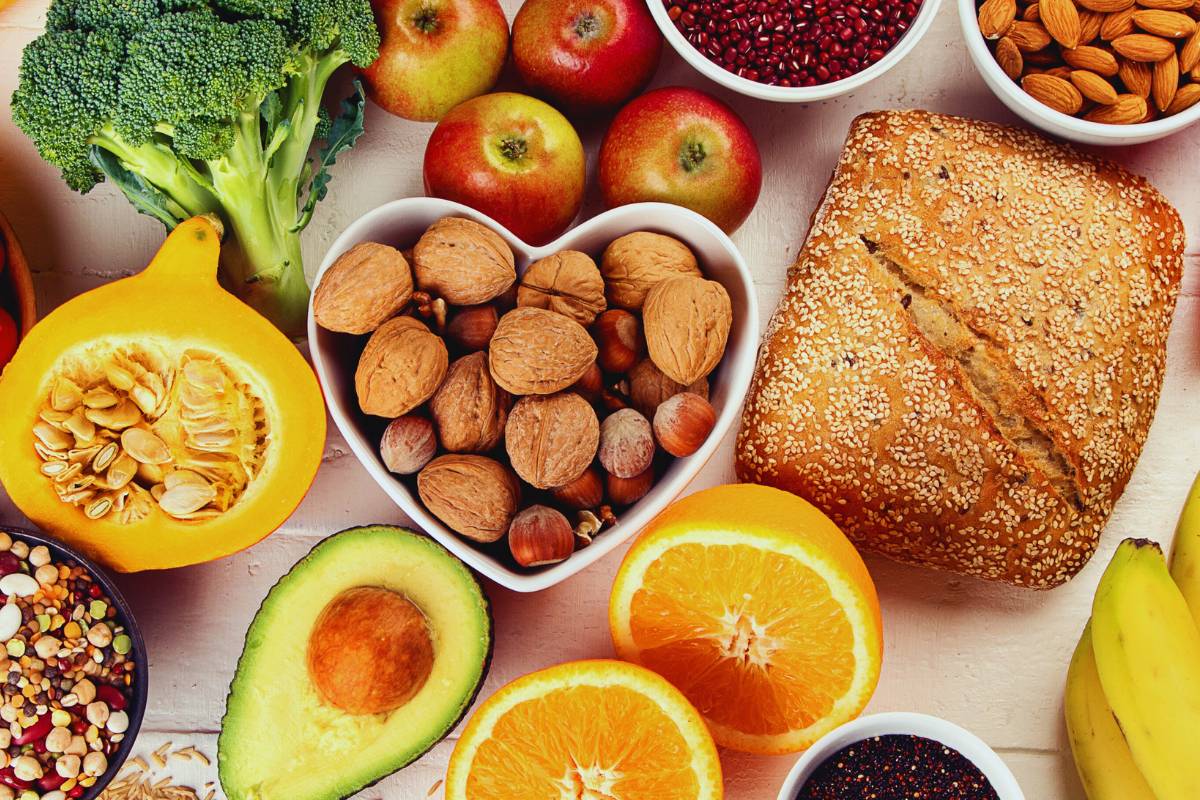
Fibrous foods can be difficult to break down and may cause blockages, especially in those with an ileostomy.
- Raw vegetables (corn, celery, cabbage, carrots, broccoli, cauliflower)
- High-fiber fruits (pineapple, apple peels, oranges, grapes)
- Nuts, seeds, and popcorn
- Whole grains (brown rice, quinoa, whole wheat bread)
Tip: Choose cooked or blended versions of these foods and introduce them gradually to assess tolerance.
2. Gas-Producing Foods
Gas can lead to bloating, discomfort, and the kind of ostomy bag inflation that makes you look like you’re smuggling a balloon under your shirt. If you are not using an ostomy bag with filters, this usually requires lots of trips to the bathroom to “burp” your bag and in the words of Sweet Brown – ain’t nobody got time for that.
These foods are known to cause excess gas which doesn’t mean they should necessarily be avoided, but if you decide to roll the dice, just know you might end up sounding like a deflating pool float for the rest of the day.
- Cruciferous vegetables (broccoli, Brussels sprouts, cabbage, onions)
- Carbonated drinks (soda, beer, sparkling water)
- Beans and legumes (lentils, chickpeas, black beans)
- Dairy (especially for those who are lactose intolerant)
Tip: Keeping a food journal can help identify which foods cause excessive gas for your body.
3. Odor-Causing Foods
Some foods produce strong odors that can be unpleasant when emptying your ostomy bag.
- Garlic and onions
- Eggs
- Fish and seafood
- Asparagus and brussels sprouts
Tip: Drinking cranberry juice or eating parsley can help neutralize odors.
Random Internet Tip: Some ostomates have found that adding a mint to their bag helps with odors. I have yet to try this but I do use a lubricating deodorant that seems to do the trick.
4. Dehydrating and High-Sugar Foods
With an ileostomy, dehydration is a concern because the large intestine, which absorbs most fluids, is bypassed.
- Caffeinated beverages (coffee, tea, energy drinks)
- Alcohol
- High-sugar foods (candy, pastries, sugary cereals)
- Salty snacks (chips, pretzels, processed meats)
Tip: Stay hydrated by drinking electrolyte-rich fluids like coconut water or rehydration solutions.
5. Tough and Hard-to-Digest Proteins
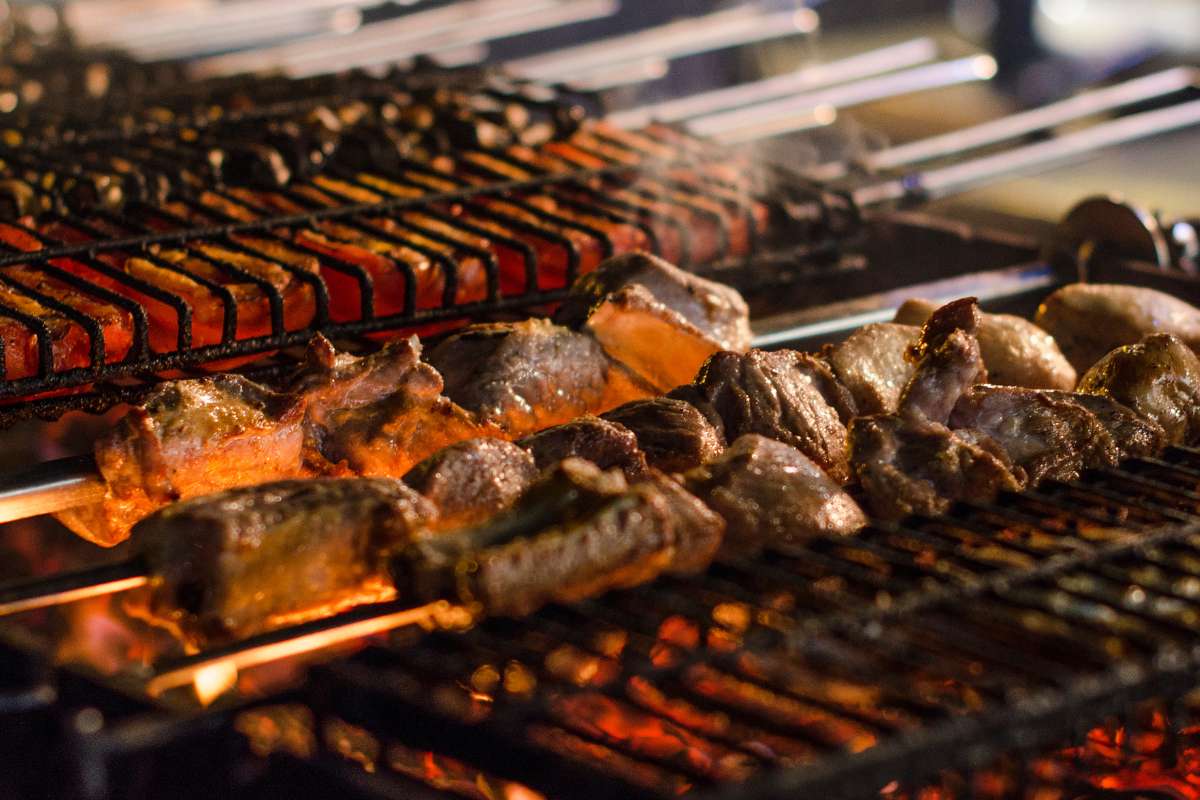
Some proteins take longer to digest and can lead to blockages or excessive output.
- Tough cuts of meat (steak, pork chops)
- Sausages and cured meats
- Shellfish with tough exoskeletons
Tip: Opt for tender, slow-cooked meats and fish to make digestion easier.
How to Safely Reintroduce Foods
While certain foods may cause issues, tolerance varies from person to person. Follow these steps to test your body’s response:
- Introduce new foods slowly – Try small portions and monitor for adverse reactions.
- Chew thoroughly – Breaking down food in your mouth aids digestion.
- Stay hydrated – Drink plenty of fluids, especially when trying fibrous foods.
- Keep a food journal – Track symptoms and identify patterns.
- Consult your doctor or dietitian – They can offer tailored dietary recommendations.
Ostomy-Friendly Food Alternatives
Instead of completely eliminating certain foods, consider safer alternatives:
- Instead of raw veggies → opt for steamed, roasted, or pureed versions
- Instead of whole nuts → try nut butters
- Instead of carbonated drinks → drink infused water or herbal tea
- Instead of high-fiber grains → choose white rice, pasta, or refined grains in moderation
Navigating diet with an ostomy doesn’t mean giving up all your favorite foods—it’s about making smarter choices to enhance comfort and avoid complications. By understanding which foods to limit and how to reintroduce them safely, you can enjoy a varied and nutritious diet while managing your ostomy effectively.
For personalized dietary advice, consult a healthcare professional or dietitian specializing in ostomy care.
I really got a lot out of this, thanks 😊
I am so happy to hear that Patty, thanks for stopping by and commenting.
I learned a lot of good ideas from this info which i will definately introduce to my eating habits, thankyou so much.
You’re welcome Tina. Thanks for stopping by and commenting.
I really got a lot out of this, Thanks you
I am happy to hear that Marian. Thanks for stopping by and commenting.
I’ve noticed that for a long time after I’ve eaten macaroni noodles, I’m still passing whole noodles thru my stoma. It doesn’t seem to hurt anything but it seems strange. I really try to chew my food really well. Is this unusual?
Hi Dale, thanks for stopping by and commenting. That’s a really good question, and you’re not the only one who’s noticed that! Some foods—like pasta, corn, or certain veggies—can move through pretty fast and come out looking almost the same as when they went in. Even if you’re chewing well, things don’t always break down completely.
If you’re not having any pain, cramping, or signs of a blockage, it’s usually nothing to worry about. Still, everyone’s system is a little different, so it wouldn’t hurt to mention it to your doctor or stoma nurse just to be safe and get their take on it.
I have had really not many problems with the food I’ve been consuming. My ostomy Nurse told me on the way out of the hospital to go back to my high fiber diet. This was the 3rd morning after surgery. Doing real well.
Hi Charles, I am glad you are doing well without restricting your diet, that is great to hear. I wish you the best of luck in your recovery.
Thank you for the advice about cranberry juice for reducing the odor. I’m absolutely shocked at how well it works and have virtually no odor anymore. I’m not sure how or why it works, but it was the best advice I’ve received. I sincerely appreciate you and this post.
Thank you so much for the nice comment Staci, that means a lot. I am so glad that cranberry juice has helped you!
Hi. How about cheeses? Swiss, cheddar, etc. and cold cuts like you might find in sandwiches and Cesar/ green salads?
Is olive oil or avocado oil recommended?
Also, salad dressings/mayo/butter, pickles and raw tomato are not rated as good or bad.
I need to travel and eat on the road for a week.
Thanks
Hello, thanks for stopping by and commenting.Traveling with an ostomy takes a little extra planning, but you can absolutely eat well on the road. Cheese is generally fantastic for ostomates! Not only is it an easy, travel-friendly snack, but dairy products like hard cheese can actually help naturally thicken your stoma output, which is incredibly helpful when you’re on the road.
Most cold cuts like turkey, ham, chicken, and roast beef are typically soft and easily digestible.
Also, it is perfectly fine to include olive oil and/or avocado oil. Good quality fats shouldn’t cause issues, though a very high-fat meal can sometimes loosen output for certain individuals, so just stick to your usual portions.
Green / Caesar Salads: Raw, leafy greens can be tough to digest and can cause looser, more frequent output or gas. If you do have a salad, chew the greens extremely well.
Raw Tomatoes: Raw tomato skins and seeds can pass through undigested and potentially irritate the stoma or contribute to blockages. If you love them, it’s safest to remove the skin and seeds first, or stick to small amounts.
Pickles fall into a gray area and can depend on your specific situation. The skins can be tough and fibrous (a blockage risk if not chewed well enough), and for many people they find that peeling them helps but always remember to chew well and start small to prevent a huge problem! Safe travels on your trip!
Melissa
Thank you! thank you! thank you! I love your sense of humor and the excellent information ! I have been reading all of your articles and I have gained new invaluable information that has helped me with ileostomy “issues”.A year ago, two months after receiving a cancer treatment medication: Opdivo…my sigmoid colon ruptured( I had no preexisting intestinal disease) and required an emergency total colectomy .
I am totally grateful for your information! AND I love your irreverent sense of humor! Thanks again! Christine
Hi Christine,
Oh, thank you so much for this! Your comment absolutely made my day!
I am so, so sorry you had to go through that. A ruptured colon out of nowhere and an emergency total colectomy is a massive, life-altering sledgehammer to be hit with, especially when you were already dealing with cancer treatments.
It is incredibly unfair, and honestly, if we can’t laugh at the sheer, absurd, irreverent reality of dealing with ileostomy “issues,” we’d probably just cry. I choose the jokes!
It means the world to me that my ramblings have given you some invaluable info to help navigate this unique normal.
Sending you the biggest hug, the absolute best health, and a giant thank you for commenting and reading.
Warmly,
Melissa