
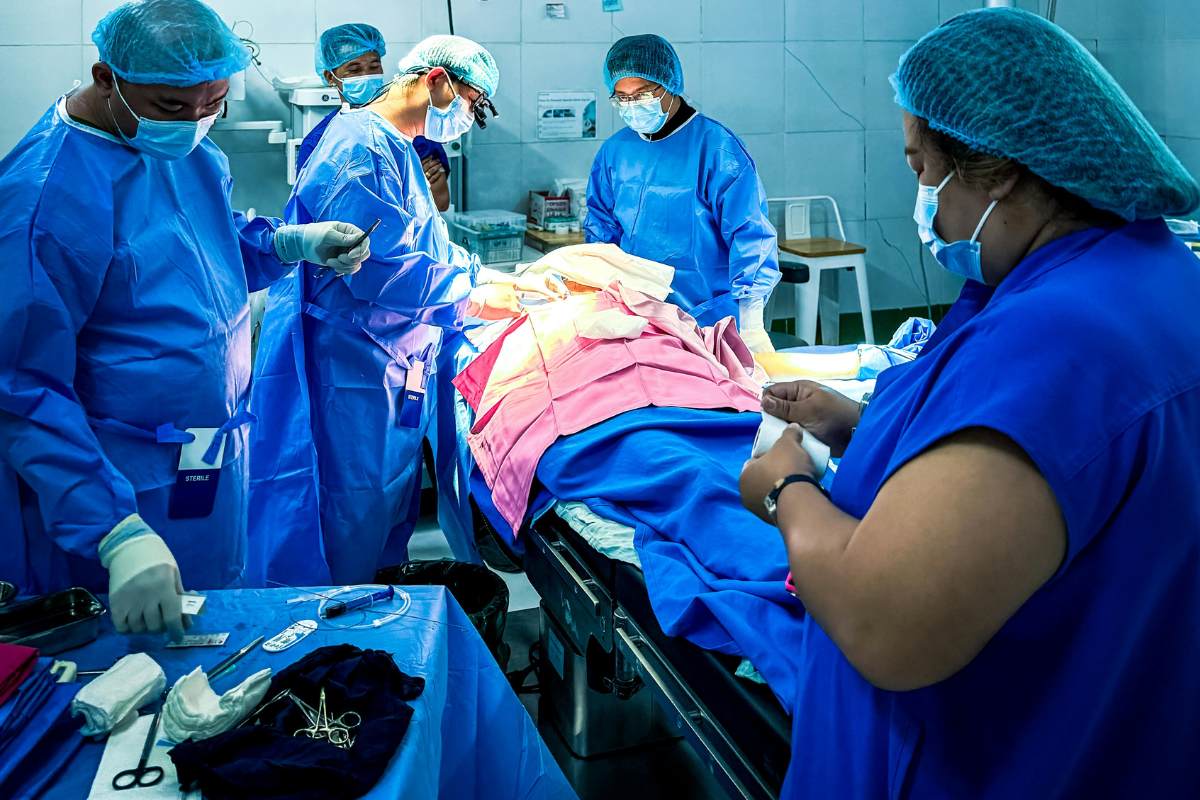
If you’re living with an ostomy and researching ostomy reversal surgery, you’re probably feeling a mix of hope, fear, pressure, and confusion. I get it, because I’m an ostomate too, and this is one of the biggest, most emotional decisions many of us ever face.
This post is written from one ostomate to another. It’s not meant to push you toward reversal or convince you to keep your ostomy. Instead, my goal is to share real, factual experiences from other ostomates, common outcomes, and honest considerations so you can make the best decision for your body and your life.

What Is Ostomy Reversal Surgery?
Ostomy reversal surgery (also called ostomy takedown or reconnection surgery) is a procedure where the intestines are reconnected and the ostomy is closed. After healing, waste passes through the rectum again instead of into a bag.
Not all ostomies are reversible. Whether reversal is possible depends on:
- The reason for the original ostomy
- How much colon or rectum remains
- Healing from prior surgeries
- Scar tissue, radiation damage, or disease activity
Some people pursue a complete ostomy reversal, where the bowel is reconnected and no ostomy remains. This isn’t always possible, some patients do not have this choice. Others must choose between keeping a permanent ostomy or undergoing additional reconstructive surgery, such as a J-pouch, depending on how much colon or rectum remains.
Related Article: What to Pack for Ostomy Surgery
Why Many Ostomates Consider Reversal
From talking with hundreds of ostomates and living this myself, these are the most common reasons people explore reversal:
- Wanting life without a bag
- Skin complications or appliance issues
- Difficulty with ostomy bag leaks or fit
- Emotional or body image struggles
- Hoping digestion or absorption improves
At the same time, many of us reach a point where the ostomy is actually working better than life before surgery and that’s where the decision becomes complicated.
The Question Almost Everyone Asks: “If My Ostomy Works, Why Risk It?”
This is one of the most common and valid concerns.
Many people say their ileostomy or colostomy gave them their life back. No more racing to bathrooms. No more constant pain. Predictability. Freedom.
And yet… doctors may still encourage reversal especially if there are:
- Absorption issues (iron, B12, magnesium, potassium)
- Frequent blockages
- Hernias or stoma complications
- A belief that reconnection will improve long-term health
But ostomates often say the same thing:
“I know what I have now. I don’t know what life will be like after reversal.”
That uncertainty is real and it deserves respect.
Real Ostomy Reversal Outcomes: The Good, the Hard, and the Unexpected
Positive Reversal Experiences
Many people report that reversal surgery was easier than their emergency ostomy surgery.
Common positive experiences include:
- Short hospital stays (3–7 days)
- Walking within a day
- Minimal pain managed with OTC meds
- Regular bowel movements within weeks
- One to three bowel movements per day long-term
- Feeling healthier and stronger than before
Some people return to normal activities quickly and say reversal was one of the best decisions they ever made.
Common Early Side Effects After Ostomy Reversal
Even successful reversals often come with a temporary adjustment period:
- Diarrhea or loose stools (especially early on)
- Butt burn or skin irritation
- Gas and bloating
- Urgency or nighttime bathroom trips
Many ostomates manage this phase with:
- Barrier creams (like Calmoseptine or Desitin)
- Wet wipes or bidets
- Diet adjustments
- Fiber supplements (when approved)
For most, these issues improve significantly over time.
When Reversal Doesn’t Go as Planned
It’s important to talk honestly about risks.
Some people experience:
- Chronic diarrhea
- Poor bowel control
- Severe pain or pouchitis (for J-pouch patients)
- Recurrent obstructions
- Rupture or failure of the reconnection
In some cases, people end up needing a new ostomy after reversal, sometimes permanently.
This is why many ostomates say they would never reverse again unless they were fully prepared for that possibility.
Ostomy Reversal vs J-Pouch: Not the Same Decision
These choices are often lumped together, but they are very different.
Some people thrive with a J-pouch. Others struggle with:
- Chronic pouchitis
- Burning pain
- Incontinence
- Severe dietary restrictions
Many who ultimately return to a permanent ileostomy say they wish they had trusted their instincts sooner.
Absorption Problems: Ostomy or Reversal?
Absorption issues can happen with or without an ostomy.
People report low levels of:
- Iron
- B12
- Magnesium
- Potassium
These problems may persist even after reversal or J-pouch surgery. For some, they require ongoing supplementation or IV nutrition.
Reversal is not a guaranteed fix for absorption issues and that’s an important conversation to have with your medical team.
Hernias After Ostomy Reversal
Incisional hernias are a known risk after abdominal surgery, including reversal. Some studies estimate up to 30% risk.
Following restrictions matters:
- Avoid lifting too soon
- Walk, but don’t push it
- Wear support garments if recommended
Several people say hernia surgery was harder than the reversal itself.
Emotional Side of Ostomy Reversal Surgery
This decision isn’t just physical, it’s emotional.
People often feel:
- Pressured by doctors
- Afraid of making the “wrong” choice
- Guilty for wanting to keep an ostomy that saved their life
- Overwhelmed by horror stories
Here’s something many of us eventually realize:
Support groups skew negative because people who are doing well often don’t need support anymore.
Success stories exist, lots of them.
Questions to Ask Before Ostomy Reversal Surgery
Before saying yes, consider asking:
- What happens if the reversal fails?
- What is my personal risk level?
- How many reversals has my surgeon performed?
- Will my bowel function ever be exactly the same?
- How long is the adjustment period?
- What lifestyle changes should I expect?
And most importantly:
What do I want, not what others expect me to want?
FAQS About Ostomy Reversal Surgery
Ostomy reversal surgery is generally considered safe when performed on the right candidate, but like all abdominal surgeries it carries risks. These can include infection, bowel leakage, obstruction, hernias, or the need for another ostomy if healing does not go as planned. Your individual risk depends on your medical history, reason for the original ostomy, and overall health.
Initial recovery usually takes several weeks. Many people spend 3–7 days in the hospital and are walking within a day or two. Full bowel adjustment can take weeks to months, during which stool frequency, urgency, and consistency gradually improve.
Yes, butt burn and skin irritation are very common early after reversal, especially with loose stools. Barrier creams, wet wipes, bidets, and diet adjustments usually help, and symptoms often improve over time.
Yes. In some cases, the reconnection does not heal properly or bowel function is poor, requiring another surgery or a return to an ostomy. While this is not the most common outcome, it is a real possibility that should be discussed before surgery.
Not always. Absorption issues such as low iron, B12, magnesium, or potassium can occur with or without an ostomy. Reversal does not guarantee improvement and some people require ongoing supplements or medical support.
Reversal timing varies. Some people are reversed within a few months, while others wait years. Surgeons usually require complete healing, good nutrition, and stable health before proceeding.
You may want to ask about your personal risk factors, expected bowel function, recovery timeline, likelihood of complications, and what happens if the reversal does not work.
Final Thoughts on Ostomy Reversal Surgery
Ostomy reversal surgery can be life-changing, in good ways and challenging ones.
Some people never look back. Others return to an ostomy and say it was still worth trying. And many choose to keep an ostomy that works and live full, active, happy lives.
There is no “right” answer.
The best decision is an informed decision, made with honest expectations, medical guidance, and trust in yourself.
If you’re facing ostomy reversal surgery, know this:
You are not weak for being scared.
You are not wrong for not keeping your ostomy.
And you are allowed to choose the path that gives you the best quality of life.
You are not alone.
Please leave a comment sharing your thoughts on the subject, other ostomates would love to hear from you.
Let’s connect on social media: Instagram | Facebook | Twitter | Pinterest | Youtube
This content is for informational purposes only and does not constitute medical advice. Always consult a qualified healthcare professional regarding your individual medical situation.
My reversal was a disaster. Within 24 hours I blew up like a balloon. Looked like I was pregnant. Surgeon for 8 days said it was ileus air and would solve itself. Nope. I was soiling my bed 12 to14 times a day. I had c-diff. Surgeon associate on 9th day got CT scan. Hole in colon. Had emergency surgery within an hour. 3 weeks in hospital. Lost 10-20 lbs. Ostomy replaced. Make sure your Surgeon is familiar with c-diff!
Hi Robert,
I am so incredibly sorry you had to go through such a horrific and traumatic experience. To be dismissed for eight days while dealing with that level of pain and sickness is completely unacceptable, and my heart breaks reading what you endured.
An emergency reversal failure, a missed C-diff infection, and a leaking colon are life-threatening medical emergencies. Surviving that, along with a three-week hospital stay and the emotional toll of having your ostomy replaced, takes an immense amount of strength. It is completely valid if you are still processing the anger and trauma from how your care was handled.
Thank you so much for courageously sharing your story and for warning others about C-diff. Your warning is incredibly important and could genuinely save another reader from going through the same nightmare.
Sending you so much love, comfort, and gentle healing as you continue to recover both physically and emotionally. Please take it easy on yourself.